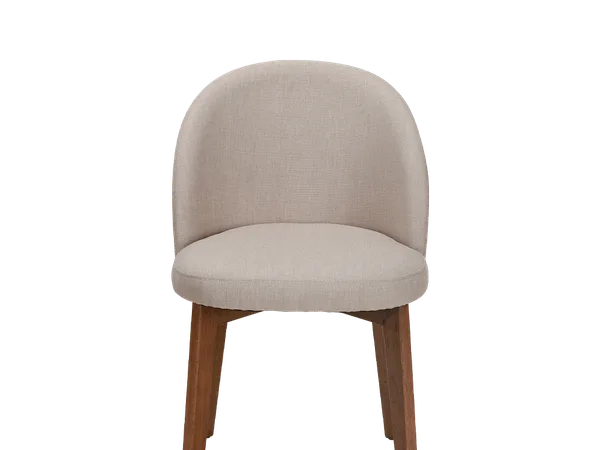
Dining Chairs
Solid-wood and metal-leg dining chairs — upholstered, rattan-back and moulded shells for restaurants and home.
See the rangeWanchang builds dining chairs, bar stools, leisure chairs and single-seat sofas — a lot of it on rubber-wood and beech frames we cut ourselves. We ship from two plants, one in Anji and one in Vietnam, so a tariff line doesn’t decide whether your order moves.
OEM to your spec or ODM on our frames · samples before tooling · FCL from China or Vietnam
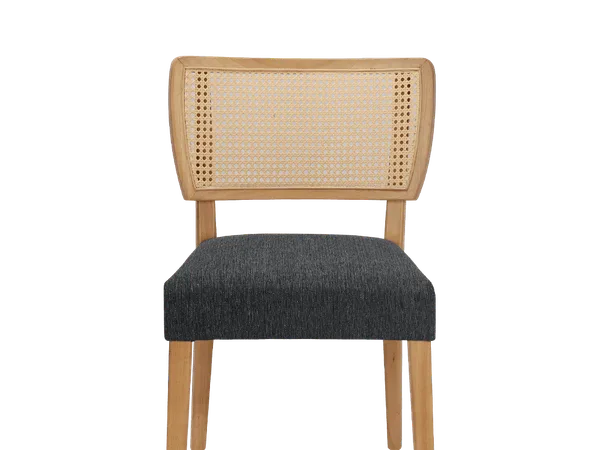
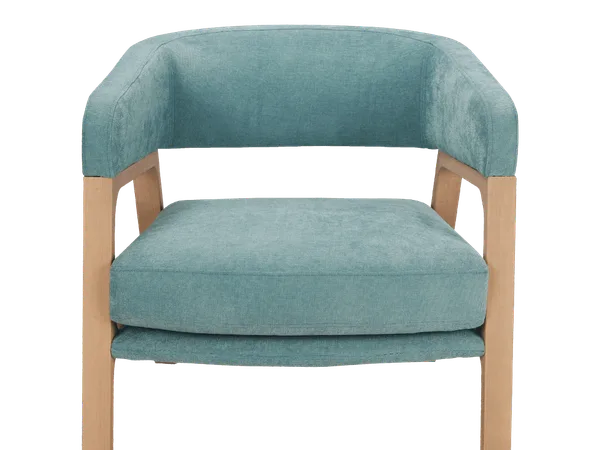
The catalogue runs wider — footstools, shoe benches, folding mattresses, fabric sofas — but dining chairs, bar stools and the solid-wood line are where we’re quickest to quote and sample. Every photo below is our own production.
Solid-wood and metal-leg dining chairs — upholstered, rattan-back and moulded shells for restaurants and home.
See the range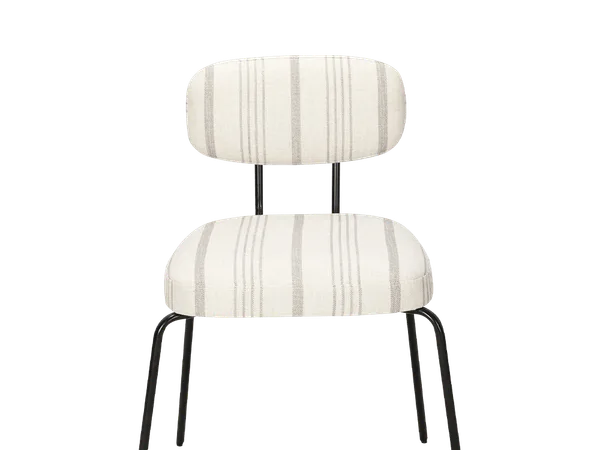
Counter- and bar-height stools on wood or powder-coated steel, with footrests rated for daily commercial use.
See the range
Rubber-wood and beech frames, leisure chairs, footstools and single-seat sofas — the timber side of the catalogue.
See the range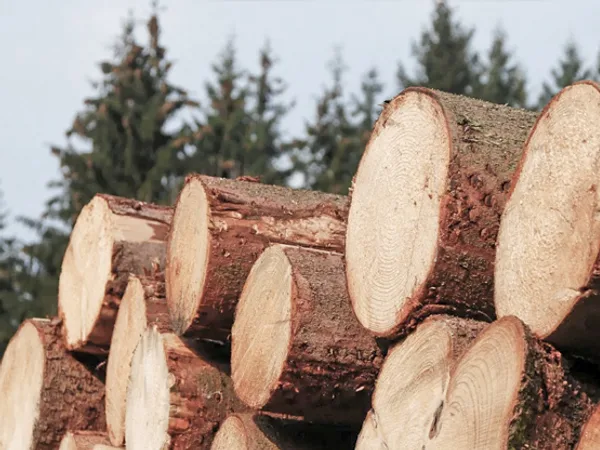
Most dining-chair complaints come back to the joint, not the fabric. A loose leg, a back that creaks after a year — that’s a frame problem. So we treat timber as the first decision, not an afterthought, and we’ll tell you plainly what each wood buys you.
Rubber wood (hevea) is our workhorse: dense, even-grained and kind on price, fine for most dining and leisure frames. Beech costs more and takes a sharper bend, so we steer it toward exposed legs and curved backs where the grain shows. For wet or coastal markets we kiln-dry to 8–12% moisture and seal the end-grain, because a frame that ships at 18% will check and split by the time it lands.
Our default frame timber — stable, fine-grained, good value. Finger-jointed and kiln-dried for straight runs.
For curved backs and exposed legs where the bend and the grain matter. Stains evenly under clear and tinted lacquer.
PU and water-based lacquer, open-pore or closed. Low-VOC water-based on request for EU and CARB-conscious buyers.
We run the same drawings and the same QC checklist in both plants. Which one ships your order is a costing decision we work out with you — not a surprise on the invoice.
The Anji site runs roughly 70,000 m² of industrial park plus an 80,000 m² intelligent production and storage building. New models, moulds and the first samples are developed here, alongside the deepest material stock.
Our Vietnam plant (about 18,000 m²) makes the same chairs for importers who need a non-China origin for duty or policy reasons. We move proven models there once the China sample is signed.
The English site and the Vietnam base both exist for one reason: we sell to importers, not to a domestic showroom. Specific destinations shift with the order book — here is how we are set up to export.
We cut and assemble frames in-house — that’s the point of the business. Rubber wood and beech are kiln-dried, finger-jointed where it adds strength, and the joints are doweled and glued, not just stapled. If a model uses a metal frame instead, we tell you which parts are wood and which are steel before you order.
Whichever makes your landed cost and origin work. New models and first samples come out of Anji; once a model is proven, we can move repeat production to Vietnam for buyers who need a non-China country-of-origin. The drawings, fabrics and QC checklist are identical at both.
It depends on the model and how much you customise. A standard frame in a stock fabric runs lower than a bespoke wood-and-fabric combination. Send the model and target quantity and we’ll give you a real MOQ, not a brochure figure.
Usually yes. Send a photo, a link or a sample. We measure the wood section, joint type, foam density and fabric weight and quote to those — and we’ll flag anything we’d change so the chair actually survives shipping and use.
A short, specific message beats a long one. Tell us the chair, how many per model, your market, the wood and fabric you have in mind, and whether you want OEM (your spec) or ODM (our frame). If we’re not the right factory for it, we’ll say so.