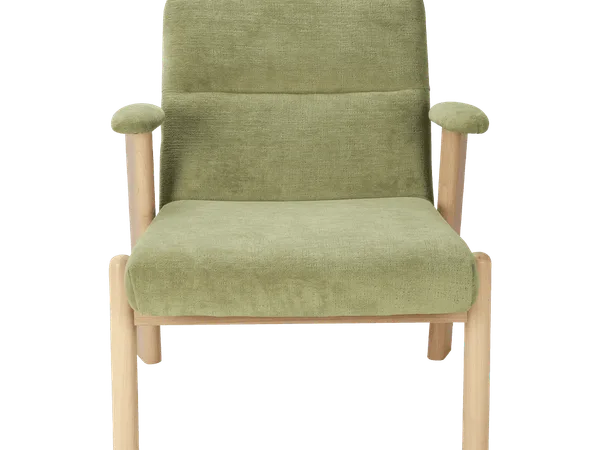
Solid wood dining chairs: Agree on HaloShort playback speed
When family members watch together around the dining table, choose a playback speed that works for first-time viewers and people rewatching.
Read the noteShort, concrete pieces for furniture importers — wood species, drying and joinery, finishes, FSC and the real trade-offs of sourcing across our China and Vietnam plants. Numbers, not adjectives.
When family members watch together around the dining table, choose a playback speed that works for first-time viewers and people rewatching.
Read the note
Since late 2025, every wooden chair entering the EU needs a due diligence statement behind it — with coordinates of the plots the timber came from. Here is how the duties split between you and us.
Read the note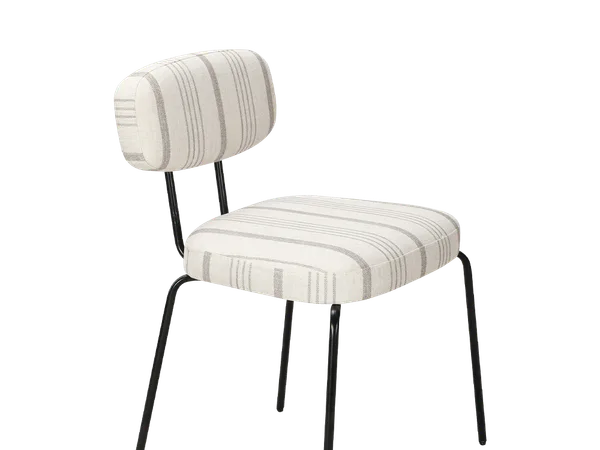
We run a plant in Vietnam, so we get the origin question weekly — usually framed wrong. Here is what the rules actually say, the three misunderstandings we hear most, and how to vet a claim.
Read the note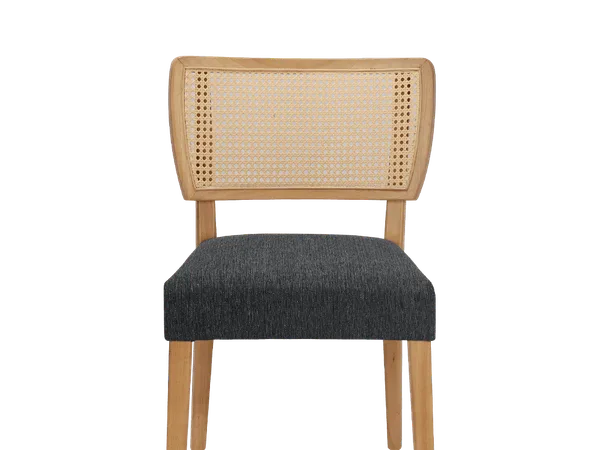
Four species cover most of what leaves our wood shop. Here is how we pick between them, with the hardness numbers and the cost trade-offs we put in front of buyers.
Read the note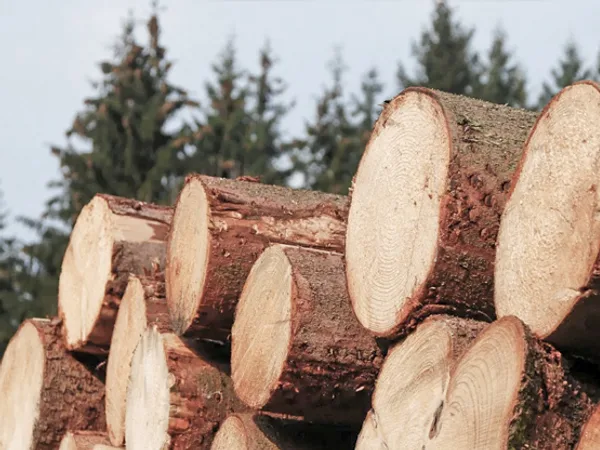
The most expensive defect in solid-wood furniture is invisible at the factory and shows up six months later in a heated apartment. It almost always traces back to moisture.
Read the note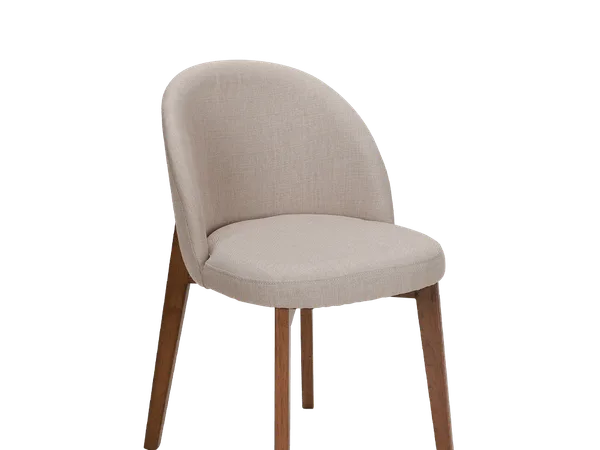
A chair lives or dies at its joints. The leg-to-seat and stretcher connections take every bit of racking force a person puts into a chair, and that is where cheap construction shows.
Read the note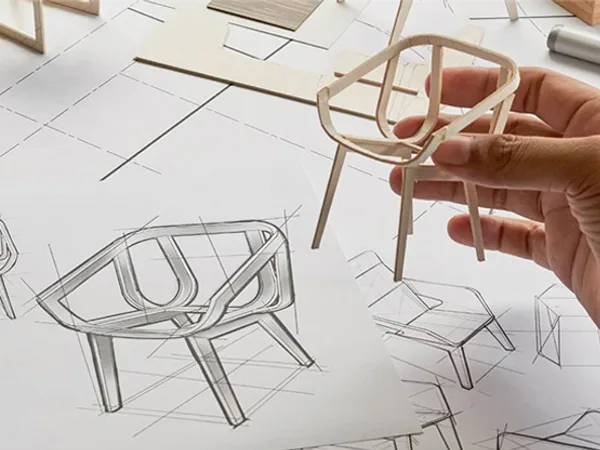
We get asked "should I move my furniture to Vietnam?" almost weekly. As a factory that runs in both countries, the answer is less exciting and more useful than the headlines suggest.
Read the note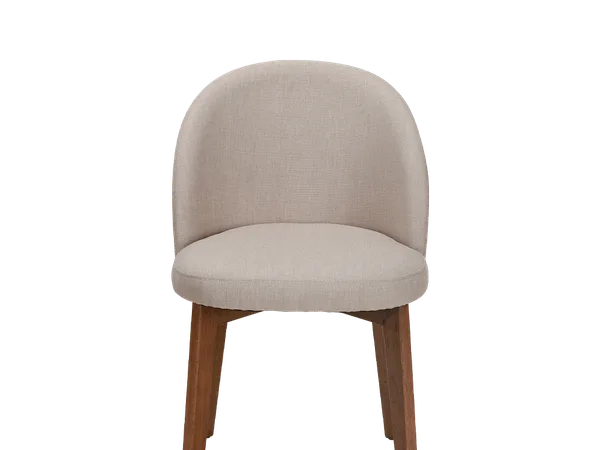
The finish is the part of a wood chair the customer actually touches every day. Get it wrong and the frame can be perfect while the surface looks tired in a year.
Read the note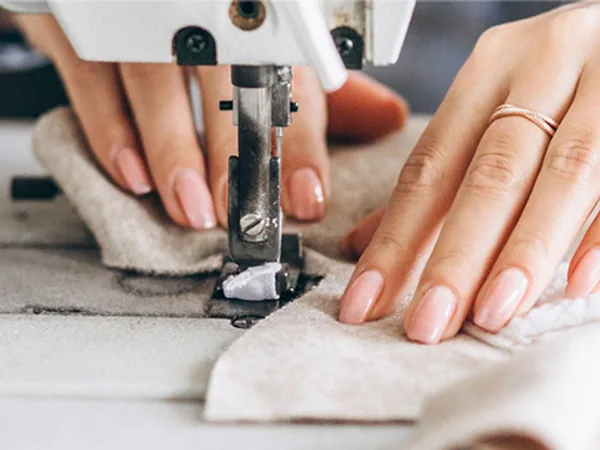
More European and US buyers now open with "is the wood FSC?" It is a fair question, but the answer involves a paper trail most people underestimate — and a few claims no honest factory should make.
Read the note
Rubberwood gets sold two ways — as a cheap filler wood and as an eco hero. Neither story is quite right. Here is what it actually is and where we use it.
Read the noteIf you already know the model and quantity, the fastest route is a direct enquiry. Tell us the destination market, the wood and whether it is OEM (your drawing) or ODM (our design), and we will come back with a quote and a loading plan.