Since we opened our plant in Binh Phuoc, the most common question on first calls has not been about wood species or pricing. It has been some version of: "If it ships out of Vietnam, it counts as Vietnamese origin — right?" The answer is no, and the gap between what buyers assume and what customs law says is wide enough that people lose real money in it. So here is the factual version, with the usual disclaimer: we are a factory, not your customs counsel, and big-ticket origin questions deserve a professional ruling.
What the law actually says
For goods entering the United States, non-preferential country of origin turns on substantial transformation: the product must emerge from processing as a new and different article of commerce, with a new name, character or use. That standard comes from case law and CBP practice, it is applied case by case, and importers who want certainty can request a binding ruling from CBP under 19 CFR Part 177. There is no tick-box formula in it — which is exactly why so many confident summaries of it are wrong.
The EU runs a parallel but separately worded test: under Article 60 of the Union Customs Code, non-preferential origin goes to the country of the last substantial, economically justified processing, carried out in equipment fitted for the purpose, resulting in a new product or representing an important stage of manufacture. The phrase "economically justified" is doing real work there — processing staged purely to shift origin does not qualify.
Both systems point the same direction: origin follows where the manufacturing genuinely happened, not where the container was sealed.
The three misunderstandings we hear most
1. "It left a Vietnamese port, so it is Vietnamese"
Shipping has nothing to do with origin. A finished chair made in China, moved through Vietnam and relabeled is still Chinese origin — and declaring otherwise is not a grey area, it is evasion. US enforcement runs through penalties under 19 USC 1592, and for antidumping and countervailing cases CBP has a dedicated investigation track (EAPA). Vietnam's own authorities have tightened certificate issuance for the same reason: fraudulent origin claims damage the country's legitimate exporters. We will not participate in this, and a buyer who asks a factory to should think hard about what else that factory is willing to falsify.
2. "You just need 51% of the value added in Vietnam"
This is the most persistent myth. US substantial transformation is not a flat value-percentage test — a product can carry well over half its value from local processing and still fail, or transform with less, depending on what the processing actually does to the article. Value-content thresholds do exist, but in preferential trade agreements (where you claim a tariff benefit under an FTA) and in some countries' domestic C/O rules — different question, different paperwork. Quoting an FTA value rule to answer a US non-preferential origin question is comparing two different rulebooks.
3. "The Certificate of Origin settles it"
A C/O is a claim, not proof. Customs authorities are not bound by it; what decides an audit is the production evidence behind it — material purchase records, import entries for any components, machine and labor logs, photos of the line actually making the goods. A certificate sitting on top of a hollow factory is worth nothing in a verification, and verifications of Vietnamese furniture origin have become routine, not exceptional.
What genuine Vietnamese production looks like
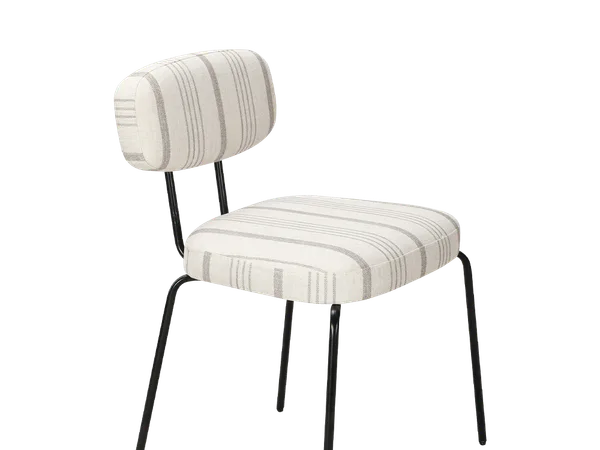
Our Binh Phuoc plant is an 18,000 m² operation with 250+ staff. The processes that matter for origin all happen inside it: lumber is machined into components, joints are cut, frames are assembled, sanded and finished. Taking rough timber and turning it into a finished dining chair is about as clean a transformation case as the rules offer — the input and the output do not share a name, a character or a use.
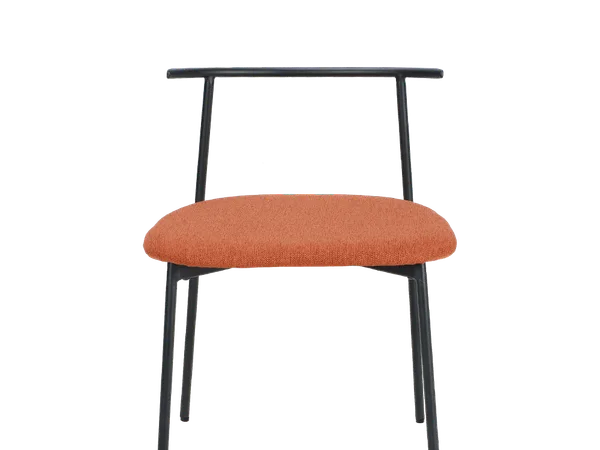
The grey zone is component-based assembly: when significant parts arrive pre-made from elsewhere and the local plant assembles and packs. Whether that transforms depends on what the assembly involves, and this is exactly where buyers with large exposure should pay for a binding ruling instead of relying on a supplier's assurance — ours included. The records that make any of it defensible are boring ones: input customs entries, production logs, payroll, and a paper trail that matches the physical flow.
Five questions to ask any supplier claiming Vietnam origin
First: where is the lumber milled into parts — show me the machines. Second: which components, if any, are imported into Vietnam, and from where? Third: can you produce the plant's production records and input import entries for my order, not a generic brochure? Fourth: have you been through an origin verification, and what was the outcome? Fifth: if customs queries my entry, will you support the response with documents within days, not weeks?
A factory with real production answers these in one email. A trading operation stalls on every one of them.
Where we stand
We run both plants openly — the reasoning is laid out in our China vs Vietnam note — and buyers choose a plant for their own mix of cost, logistics and trade exposure. Placing production in Vietnam, genuinely, is a lawful and normal sourcing decision; dressing Chinese goods in Vietnamese paperwork is not, and the distinction is the whole subject. Whichever plant builds your solid-wood program, the production file is yours to inspect.
If you want to walk through how an order is documented at the Vietnam plant — or visit it — start through our contact page. Build and test methods follow BIFMA and EN furniture standards, and third-party testing can be arranged per order.